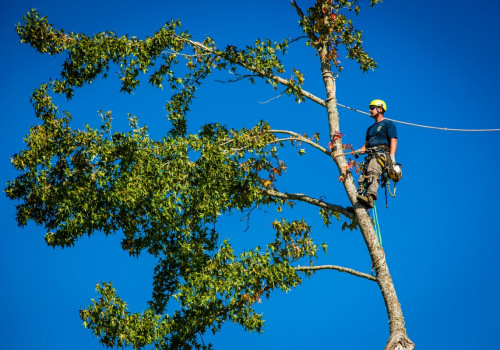
Trees add beauty, shade, privacy, and environmental value to residential and commercial properties, making them one of the most beneficial landscape features. However, without regular maintenance, even healthy-looking trees can become significant hazards during severe weather. High winds, heavy rain, snow, and lightning place tremendous stress on branches, trunks, and root systems, increasing the risk of falling limbs or complete tree failure. When trees are located near homes, garages, fences, driveways, or utility lines, storm-related failures can result in costly structural damage and safety concerns. Professional tree care services help reduce these risks by maintaining healthy tree growth, identifying developing hazards, and addressing potential problems before extreme weather puts additional strain on the landscape.
Identifying Hidden Hazards Before Storms Arrive
Many tree defects develop slowly and remain hidden until severe weather exposes them. Internal decay, weakened branch attachments, dead limbs, root damage, fungal growth, and structural cracks within the trunk are often difficult for property owners to recognize during routine yard maintenance. Professional tree care services include careful inspections that identify these conditions early, allowing corrective measures to be taken before storms occur. Selective pruning, removal of hazardous limbs, and recommendations for cabling or tree removal when necessary all contribute to reducing the likelihood of storm-related failures. Detecting these issues before they become emergencies helps protect nearby structures while preserving healthy trees whenever possible.
Reducing the Impact of High Winds
Strong winds are one of the leading causes of tree-related structural damage. Dense, overgrown canopies create greater wind resistance, increasing the stress placed on branches and the trunk during storms. Proper pruning helps improve airflow through the canopy, reducing wind pressure and encouraging more balanced branch development. Removing weak, crossing, or overcrowded branches also decreases the likelihood of limbs breaking under heavy wind loads. Companies such as Open Concept Engineering recognize that protecting structures often extends beyond the building itself, with thoughtful landscape planning and preventive maintenance contributing to the long-term safety and resilience of the entire property.
Protecting Buildings and Outdoor Infrastructure
Tree care services help minimize the risk of damage to a wide range of structural features surrounding a property. Branches hanging over roofs can scrape shingles, clog gutters, or fall onto buildings during storms, while limbs extending over patios, decks, fences, and driveways create additional hazards. Large trees positioned near utility lines or outdoor structures also require careful monitoring to ensure they remain safe as they mature. Regular pruning and inspections maintain appropriate clearance between trees and surrounding infrastructure, reducing opportunities for branches to cause damage during severe weather. In addition, healthy trees are generally better able to withstand storms because they have stronger branch structures and improved overall vitality.
Supporting Long-Term Property Maintenance
Tree care is not limited to preparing for individual storms; it also contributes to the long-term maintenance of the entire property. Routine inspections allow property owners to identify declining tree health, insect infestations, disease, or structural instability before these conditions require emergency intervention. Preventive maintenance also improves visibility around buildings, reduces debris accumulation on roofs and drainage systems, and supports healthier landscape growth throughout the property. By incorporating tree care into a comprehensive maintenance program, homeowners can reduce ongoing repair costs while preserving both their landscape investment and nearby structural components.
Proactive Tree Care Creates More Resilient Properties
Storm-related structural damage is often preventable when trees receive consistent professional care throughout their lifespan. Regular inspections, strategic pruning, hazard assessments, and timely removal of unsafe trees all contribute to safer outdoor environments and stronger protection for nearby buildings. Rather than waiting until severe weather exposes hidden weaknesses, proactive tree care addresses potential risks before they become emergencies. This preventive approach helps reduce repair expenses, improves occupant safety, and extends the life of both trees and surrounding structures. By viewing tree care as an essential component of property maintenance, homeowners and commercial property owners can create landscapes that remain attractive, healthy, and better prepared to withstand the challenges of severe weather for many years to come.