Trees are long-term investments in a property’s beauty, shade, and environmental value, but they require consistent care to thrive. Professional tree care services focus on preventative maintenance strategies that promote structural integrity and overall health. Rather than waiting for visible damage or disease to appear, proactive maintenance addresses potential issues early. Routine inspections help identify weak branch unions, early signs of decay, and subtle pest activity that may otherwise go unnoticed. By catching these concerns before they escalate, property owners can extend the lifespan of their trees while minimizing safety risks. Healthy trees not only enhance curb appeal but also improve air quality and provide cooling shade that reduces energy costs.
Strategic Pruning and Structural Support
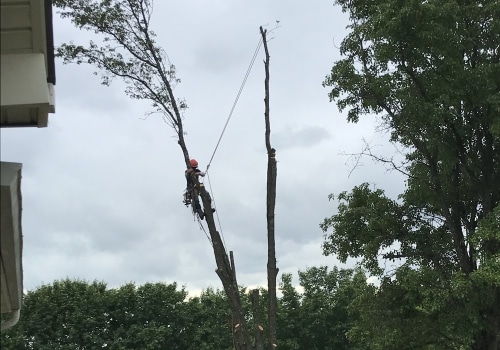
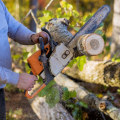
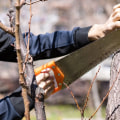
One of the most essential services for long-term tree health is strategic pruning. Proper pruning removes dead, diseased, or overcrowded branches, allowing sunlight and air to circulate through the canopy. This reduces the likelihood of fungal growth and storm-related breakage. Structural pruning in younger trees encourages balanced growth patterns that strengthen the trunk and primary limbs over time. Mature trees may benefit from crown thinning or weight reduction to minimize stress on heavy branches. In some cases, cabling and bracing systems are installed to support vulnerable limbs and prevent splitting during high winds. Consulting your trusted tree care experts ensures pruning is performed according to industry standards, preserving both the tree’s health and natural shape.
Soil Health and Nutrient Management
Long-term tree vitality begins below the surface. Healthy soil provides essential nutrients, supports root development, and ensures adequate drainage. Over time, soil compaction from foot traffic, construction, or heavy equipment can restrict oxygen flow to roots. Tree care services often include soil aeration techniques that improve root access to air and water. Fertilization programs tailored to specific tree species replenish depleted nutrients and promote steady growth. Mulching around the base of trees helps regulate soil temperature, retain moisture, and suppress competing weeds. These measures strengthen the root system, creating a stable foundation that supports the entire structure above ground.
Pest and Disease Prevention
Trees are susceptible to a variety of pests and diseases that can compromise their health if left untreated. Regular monitoring allows professionals to detect early signs of infestation, such as leaf discoloration, bore holes, or unusual bark damage. Integrated pest management strategies combine environmentally responsible treatments with preventative measures to protect surrounding plants and wildlife. Disease management may involve removing infected limbs, applying targeted treatments, or improving environmental conditions that contribute to fungal growth. Early intervention reduces the likelihood of widespread damage and preserves the tree’s ability to thrive.
Long-Term Planning and Environmental Benefits
Tree care services also emphasize long-term planning to ensure trees remain safe and beneficial as they mature. Assessments consider factors such as proximity to buildings, utility lines, and walkways. By anticipating future growth patterns, professionals can recommend adjustments that prevent structural conflicts down the road. Proper tree selection and placement during landscaping projects further support sustainable growth and minimize maintenance needs.
Ultimately, tree care services that promote long-term health focus on a comprehensive approach—combining inspection, pruning, soil management, pest control, and strategic planning. With consistent attention and expert guidance, trees can flourish for decades, providing beauty, shade, and environmental value. Investing in professional care today ensures that trees remain strong, resilient, and beneficial to properties and communities well into the future.